
Week 3: Amos
Week 3: Amos 1-9
Objective:
-
TheAmos'sLocustintroductionPlague -
The DayAuthority of theLordProphet’s Message-
God’Punishment of Israel’sSpiritSinsPoured Out -
GodIsraelBlessesDidHisNotPeopleAccept Correction -
A Call to Repentance
-
Visions of the locusts, the fire, and the plumb line
-
Amaziah’s Complaint
-
Vision of the Summer Fruit
Resources:
- Fr Tadros Y Malaty Commentary
- Catena Bible Commentary
- Fr Dawoud Lamie Bible study (Arabic)
- Fr. Daoud Lamie - Amos (Full)
- Minor Prophets SUSCOPTS
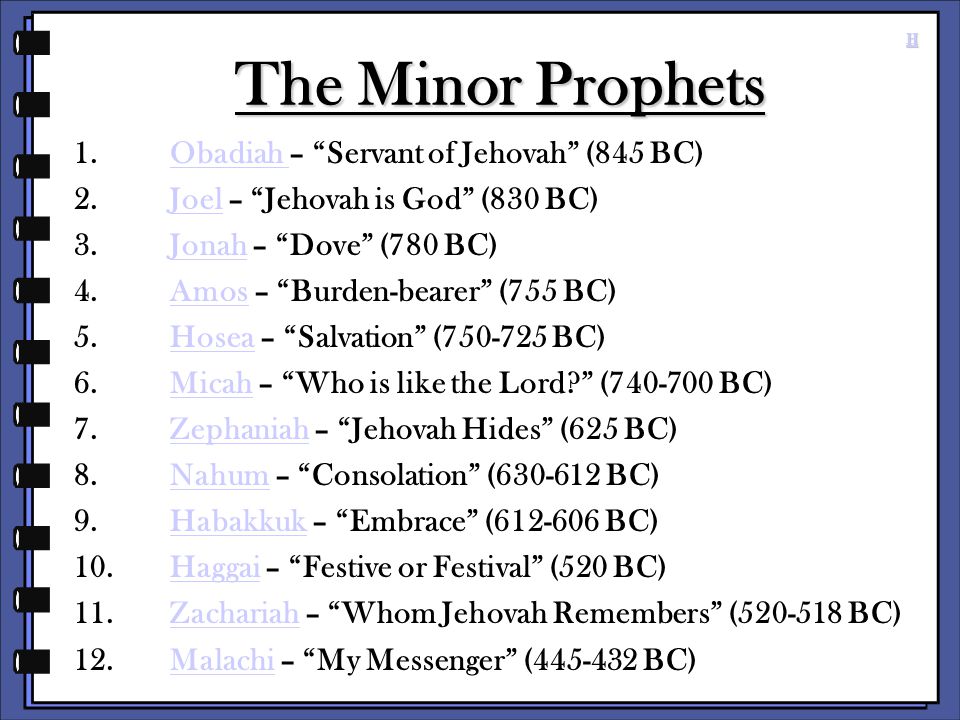
Activity for every week: Can you recite the 12 minor prophets?
Reading:
JoelAmos 1:1-201JoelAmos2:3:1-328JoelAmos3:18-214:6-13- Amos 5:4-15
- Amos 7
- Amos 8
Key verse(s):
“And it shall come to pass afterward,in that day,” says the Lord God, “That I will pourmake outthe Mysun Spiritgo ondown allat flesh"noon, And I will darken the earth in broad daylight" JoelAmos 2:288:9
NOTE TO SERVANT:
-
Please plan to ask and review these questions every week:
- Who are the minor prophets? Can you recite them?
- The theme for last week's minor prophet
- Highlight Messianic prophecy
- Who are the minor prophets? Can you recite them?
Minor Prophets introduction:
-
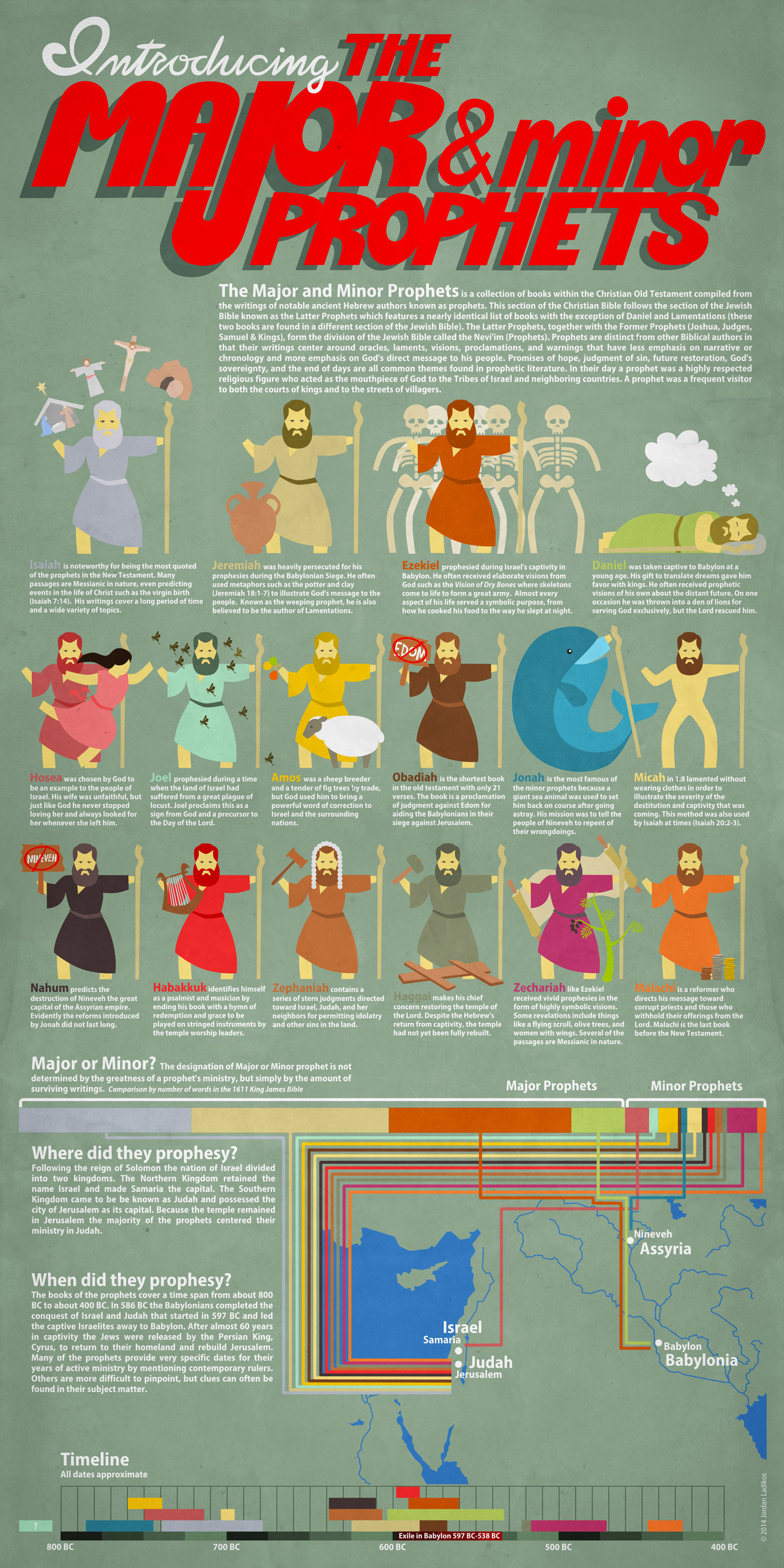
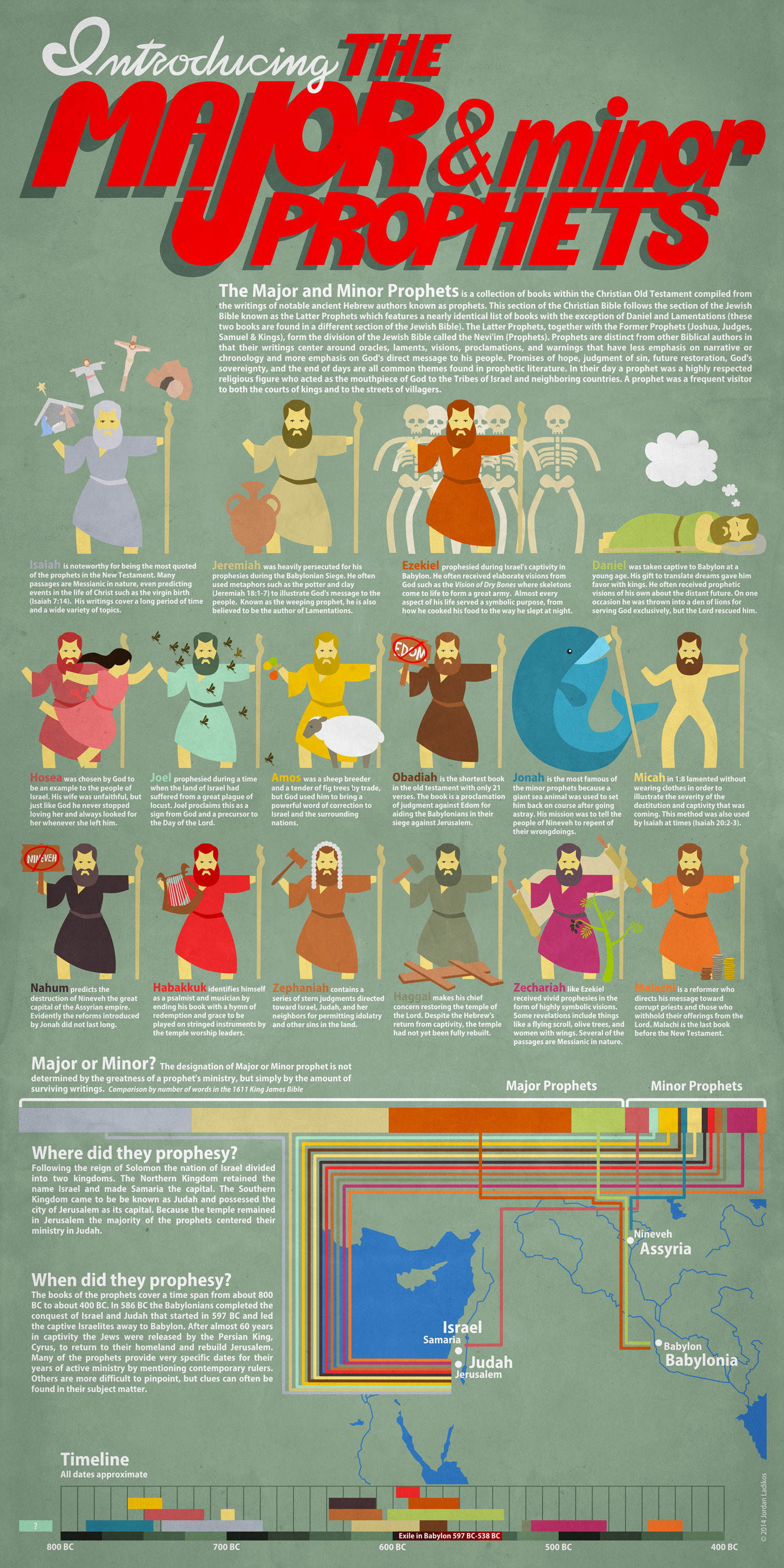
The Major and Minor Prophet division of the Holy Bible does not denote the importance or rank of the writing prophets, but the length of the Holy Books which bear their prophecies.
- Ex: Jonah 4 chapters - Isaiah 66 chapters
- There are 12 minor prophets and 4 major prophets (5 books including Lamentations)
- In the Tanakh (Hebrew Bible), all these books were listed under "prophets". In the Septuagint and Vulgate translations, this classification of major and minor was mentioned.
- The prophet in the OT was someone who passed God's message to the people. A prophet in the NT is also someone who passes God's message or news (God's love and salvation for all mankind).
- In the OT, there were many prophets (Moses, David, Elijah, Elisha, etc.), but when we refer to the "Prophets", we refer to the ones who recorded their prophecy.
- All prophecies had one goal: Repentance!
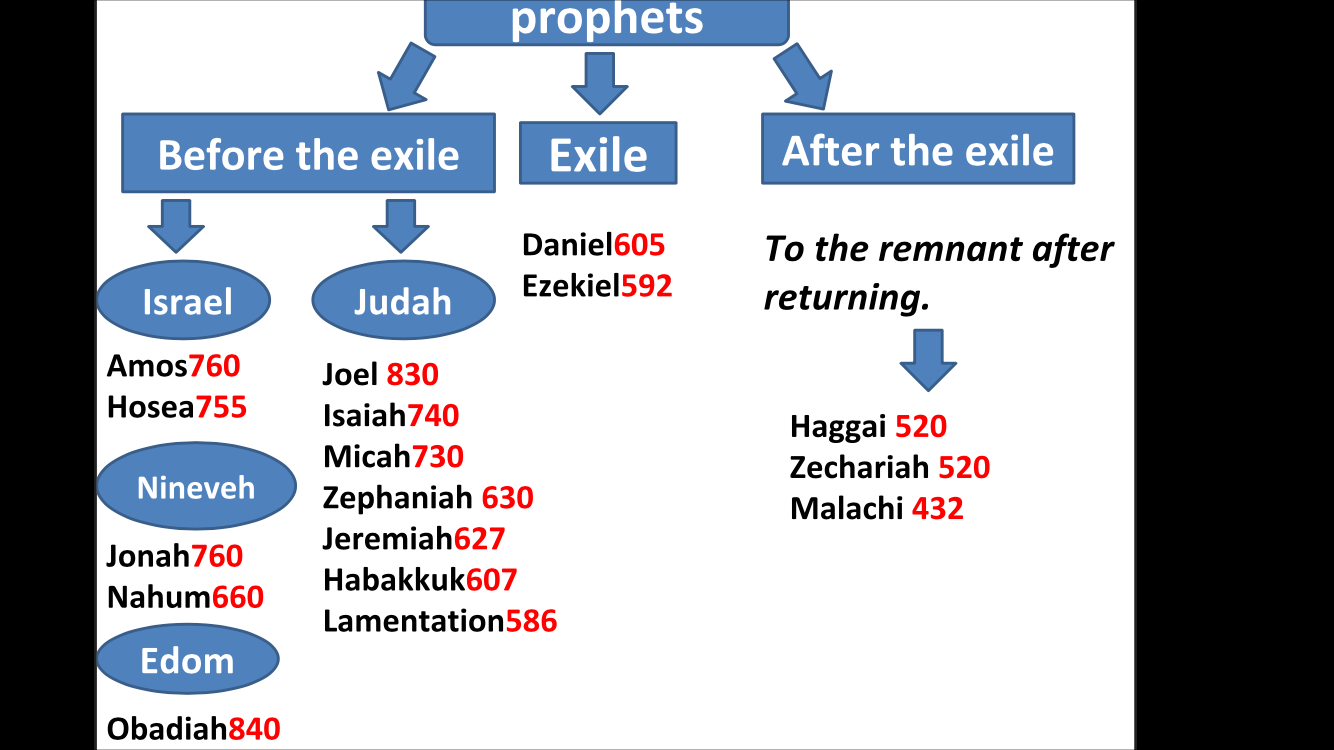
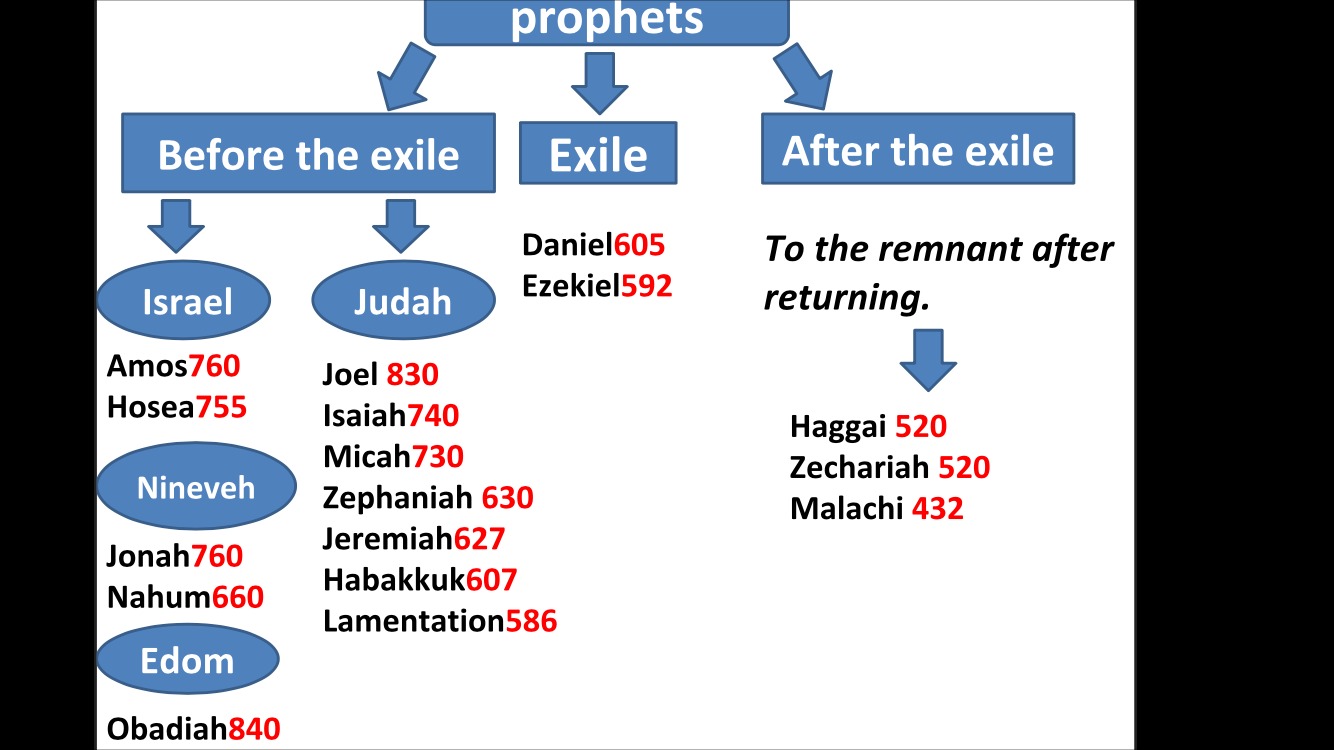
- Recorded prophecies were split into three groups: Before, during, and after the exile.
- Before: Repent so God doesn't bring the exile
- During: Repent so God can end the exile and take us back to our land
- After: Repent because the Messiah is coming
- The books of the prophets are rich with Messianic prophecies. All were fulfilled by Our Lord.
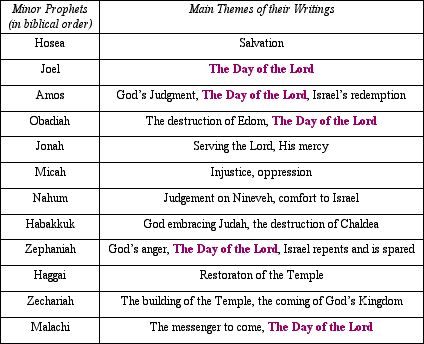
- All books have different themes. All books have the same message (repentance).
-
-
-
-
-
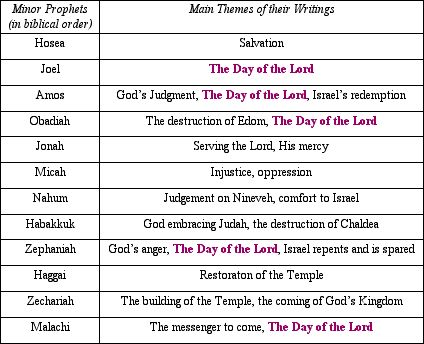
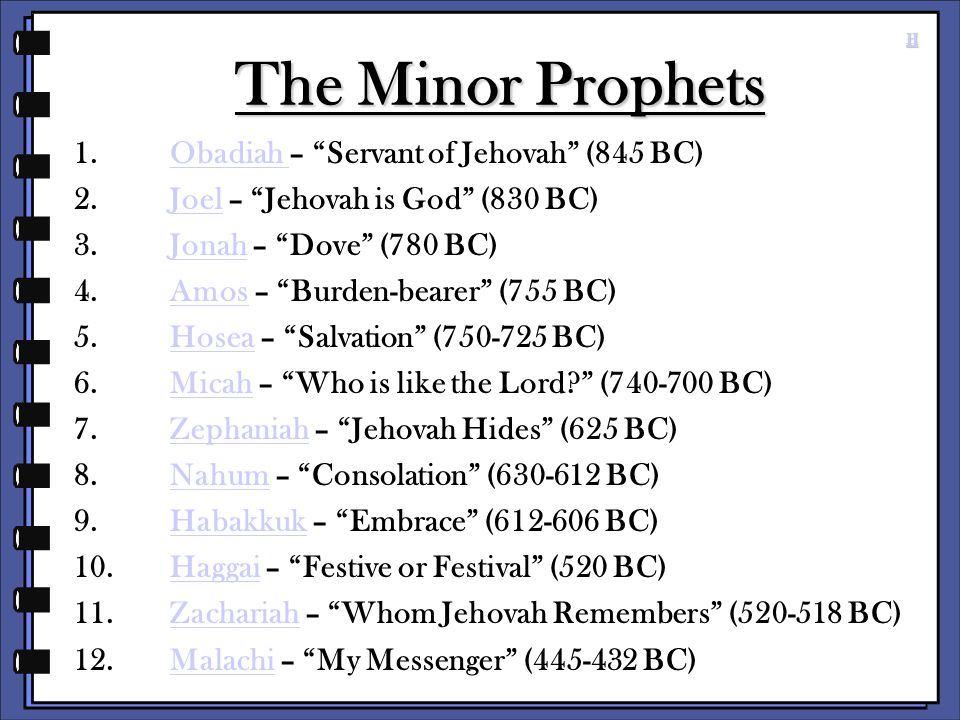
Comments:
Theme of Joel: God's judgment - The Day of the Lord
Messianic Prophecy: TheDarkness Holyat Spirit on Pentecostnoon (2:28)8:9)
JoelAmos is one of the minor prophets.-
The book of Joel was written for the
SouthernIsrael, the Northern Kingdomof Israel JoelAmosmeansmeans:"Jehovah“Burden”isorGod"“Burden-bearer”
TheAmosbooklived up to the meaning ofJoelhiscannamebebydividedbearingintouptwoundermajorhissections:divinelythegivendayburden ofthedeclaringLord in retrospect (ch. 1); and the day of the Lord in prospect (chs. 2,3).Chapter 1:The waves of locusts are like levels of sin:Chewing locust: small - can't move much. Small thoughts into the heart and mindSwarming locust: startedjudgment tomove.rebelliousCrawling locust: developed small wings.Consuming locust: Strong wings that can fly. Sins when they completely grow and take over the humanIsrael
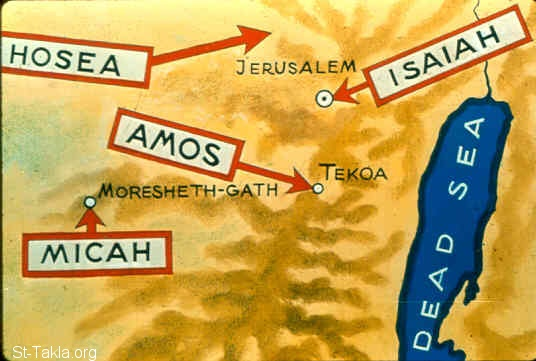
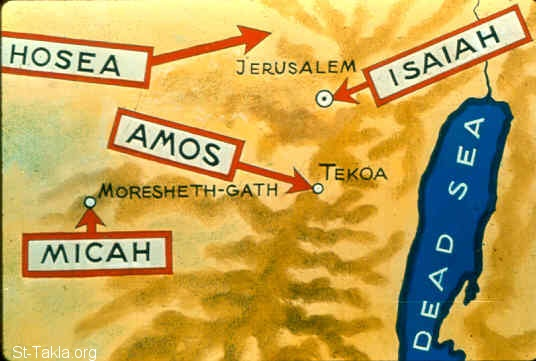
St.AmosJermonewassymbolizesfromtheseTekoafour(1:1)waveswhich is south of Jerusalem. Even though Amos was from the South kingdom, God chose him to prophesy to thefourNorthkingdomsKingdom- Amos mentioned that
disciplinedheJudahwas a sheep breeder (Southern kingdom): Babylon, Persia, Greece,1:1) andRome.a tender of sycamore fruit (7:14-15)- Even though he was a simple man and not a prophet or a son of a prophet (7:14), God chose him to prophesy
- His
V.6:prophecySymbolizeshasthedeepnationsmeaningsthatandwill beis verystrong and take them to captivity V.9-10: No worship is taking place due to the lack of everything = no joy or communion with Godpoetic
ChapterAccording2:to- 1:1, Amos prophesied during the reigns of Uzziah, king of Judah (767–739 B.C.), and Jeroboam, king of Israel (782–753 B.C.), thus leaving a possible time frame from 767 to 753 B.C.
V.1-11:AmosTheministereddayafter the time of Joel and Jonah, and just before Hosea, Micah, and Isaiah. At this time Uzziah reigned over a prosperous and militarily successful Judah.- In the north, Israel was ruled by the capable king Jeroboam II. Economic and military circumstances were almost ideal, but prosperity only increased the materialism, immorality, and injustice of the
Lordpeople. - During these years, Assyria, Babylon, Syria, and Egypt were relatively weak.
- Thus, the people of Israel found it hard to imagine the coming disaster predicted by Amos—a disaster that occurred barely three decades later.
- Chapter 3:1-8
- God asked 7 questions and all are to be answered with "No"
- Question 1: God wanted to walk with His people but they did not keep the agreement
- Question 2: The Lion will only roar if there is prey. The devil is roaring cause of their actions
- Question 3: A young lion will roar out happiness that he found a prey. The devil is happy he found a prey
- Question 4: The bird will fall because of a trap/snare. God's people should be
fearfulaware of satan's traps/snares - Question 5: A snare will not be removed unless it catches something. The devil is removing the traps as they caught many souls
- Question 6: The trumpet was a sign of war. People would be scared when they hear it. God's voice is loud and clear like a trumpet and the people ignore Him.
- Question 7: Any calamity happens from God for the people’s correction and repentance. If they witnessed all these calamities and did not repent, this is a sign of their ignorance.
- Discuss with the youth about different calamities that happen around us (Ex. COVID) or hardships that happen to
thoseuswhoanddidn’how God uses these things so we can repent and get back to him. You can give Biblical examples. - V.7: God doesn’t do anything unless He tells his prophets. The people should listen to
hisAmos.voice/warningsWe(locusts).shallThose who fear God, wait for this day joyfully. V.12-17: God is calling for repentance.V.13: God wants our heartslisten tofollowtheHimpriests andofferbishopstruewhenrepentance.theyNottelljust an outside fake repentant look.V.15-17: God is calling everyoneus torepentrepent.V.23: Rain/water is a symbol of the Holy Spirit. Former rain comes at the beginning right after sowing to help the seeds grow and bud. Latter rain comes later to help the small buds become big trees and produce fruits. The Holy Spirit (Former rain) comes on the day of baptism to purify us and keeps coming again (latter rain) during our life to sanctify us until the end of our life.V.28: A prophecy on the day of Pentecost. When His Spirit was poured on His disciples. St. Peter quoted Joel in his sermon (Acts 2).
- Discuss with the youth about different calamities that happen around us (Ex. COVID) or hardships that happen to
ChapterAmos3:4:6-13: God has done many things to correct His people. The message is very strong which reflects the people's spiritual status at this time. Reflect on things that happen nowadays for our correction and repentance.V.18:SoonThereafterwillallbethesejoymessages andhappinessthingsafterGodweallowedreceiveforthetheirHolyrepentance,Spirit.theyTheweredrytakenmountainsintoarecaptivity.nowThatdrippingshowswith wine (wine is a symbol of Joy in the Bible).The Book ends with a message of hope and joy in seeingthat God'sworkmessagesinareHisrealChurch.if Egyptpeople do not repent. God is merciful andEdom:compassionate,symbolsbutofhesin.isSinalso just andviolence will end,judge andGodkeepswillhisreign forever (V.20)word.
Review/recap questions:
**Servant may add more questions- Whom do the locusts represent?
- What is meant by the day of the Lord?
- Who quoted the prophet Joel in the NT?
- Find a prophecy is in this book and when it was fulfilled. Give verses.
- How can the people escape this invasion?
Homework:
**Servant may add more questions- Joel asked the priests to a) Consecrate a fast b) Call a sacred assembly c) cry out to the LORD d) all of those
- To whom should the beasts of the field cry out? a) each other b) the Lord c) the hunters d) Joelan
- What do verses 28-29 in chapter 2 prophesy about?