Artificial Intelligence is a branch of Computer Science that attempts to simulate human intelligence processes by machines.
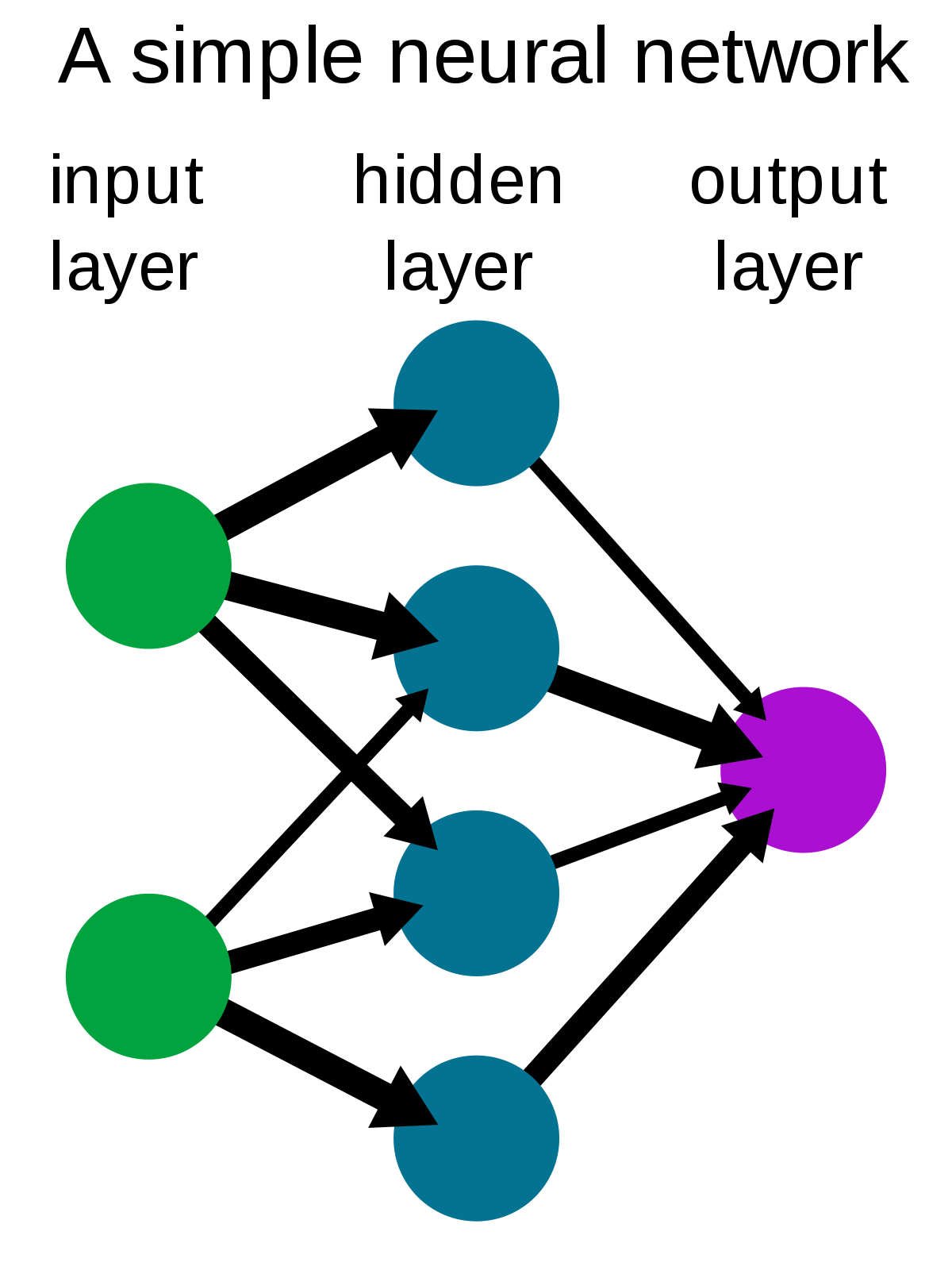
One of the most common sciences in AI is the idea of a Neural Network. And it's based on the science behind how the brain works. The brain has something called neurons that use electrical and chemical signals to send information between different areas of the brain, the spinal cord, and the entire nervous system. In 1943 a Neuroscientist and a Logician (McCulloch and Pitts) published a paper where they created a computational neural model based on mathematics and algorithms. That was the foundation of what is now called the Neural Network.
Neural networks work by having an input, a bunch of hidden things and an output. And it looks/sounds basic, but obviously the hard part is in the hidden things. And the hard part is in training the neural network to have the right hidden things.
The example MarI/O helped me to better understand this concept.
In this video, the input is the position of Mario, the location of enemies and moving objects, and the location of static obstacles
The output is what button to press
Basically, he wrote a program that would develop this neural network and he ran it for 24 hours, and then the neural network figured out how to beat that specific level of Mario
So at first, it does random movements and it sees how far it gets in the level. And it gets a score for how far it got. Obviously, pushing "right" would get it a higher score. Then after it tries a bunch of things, the things with the highest scores get combined together and a little bit more randomness is introduced... and then it tries again. And it keeps trying and trying until it finally gets it.
The algorithm that he mentions - NEAT - was developed by a professor here at UCF. I first heard about it when I took an AI class at UCF during my undergraduate studies.
Knowledge-Based AI
In my master's, I took a class called "Knowledge-Based AI" and the assignments and projects were all about writing an AI agent that could solve a human IQ Test
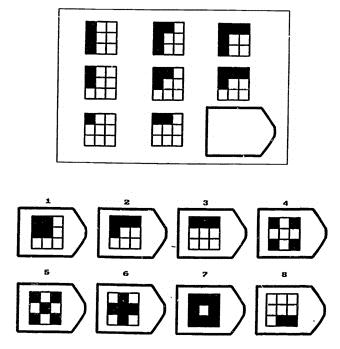
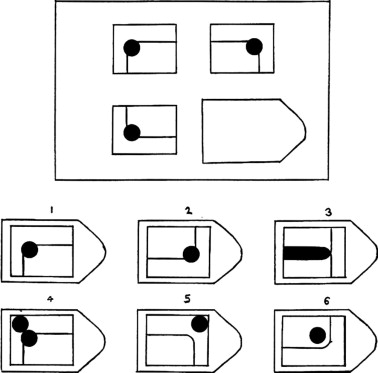
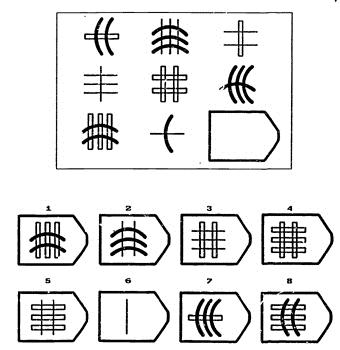
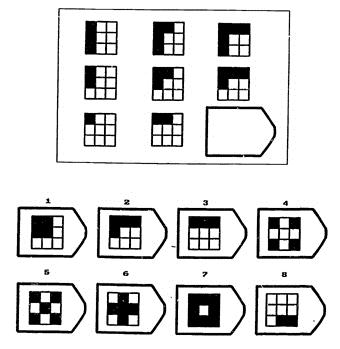
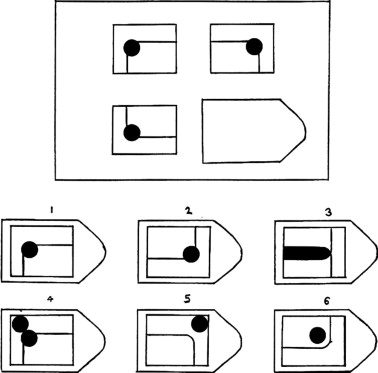
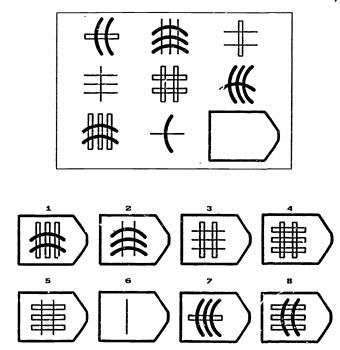
These are called Raven's Matrices IQ Tests
We basically just had to figure it out... and so my algorithm basically did an analysis of each of the squares given to us, and each of the choices and then it did a comparison of A-B-C and D-E-F and then G-H-Option 1, G-H-Option 2, etc. to try and make a best guess about which one was right.
For some basic ones, it was very successful. But when you get to harder ones, it's hard enough for a human to spot the pattern, let alone a computer.
Note that the computer is not understanding the pattern and trying to find what fits it... it is looking for patterns in different ways - by pixels. By trying to understand shapes. This one has many black pixels on the left, and this one has many black pixels on the right.
During that class, our professor came out in the last week and said he had some news... one of our TAs this whole semester... was an AI! And we had to guess who it was. Half of the people guessed it wrong. And this was all over the news about this AI TA that no one noticed was an AI the whole semester.
But that AI was programmed to understand a few types of questions and answer them - usually common questions like "when is xyz assignment due" - "can I use xyz on my assignment" - "how do I contact the TAs" - etc. This is knowledge based AI
Probability
Another class that I took in my Master's was called "AI for Robotics" and it was all about programming a basic self-driving car
It was basically a probability class
We had one module about figuring out the probability of lane detection and how to stay in your lane for steering
We had one module about navigational systems
We had one module about using sensor data to predict what was a car and what wasn't
But the main take-away from the class, for me, was that it is all probability and probability distributions
Machine Learning
Back in 2012, Google did something crazy... they said that their computers could now tell if a picture contains a cat or not.
Scanning MRIs to find commonalities between large numbers of patients that have the same diagnosis - that may not be visible to the human eye
Personalization
Targeted Advertising
Personalized Shopping
Personalized Learning
Gaming
Playing strategic games like chess
Giving a unique gaming experience every time
Travel
Suggesting hotels, rentals, etc.
Is AI Good or Bad
What is Intelligence?
What is Artificial?
AI is a Tool
A tool can be very useful in the right hands, and very dangerous in the wrong hands
A saw is very good at cutting wood to make furniture... but in the wrong hands it can be used to murder
The internet is very good at connecting people who are geographically far away... but in the wrong hands it can be used to exploit people from very far away
AI, in the right hands with the appropriate uses, can be very helpful. But in the wrong hands, or for the wrong uses, can be very harmful.
How to Use AI
Appropriate Uses for Artificial Intelligence
Help you do research and find sources
Inappropriate uses for artificial intelligence (e.g. to do your homework)
To do your homework
Purpose of homework is for you to learn and to exercise your mind, not simply to complete a set of assignments or tasks
To be able to explain and put into words your own ideas

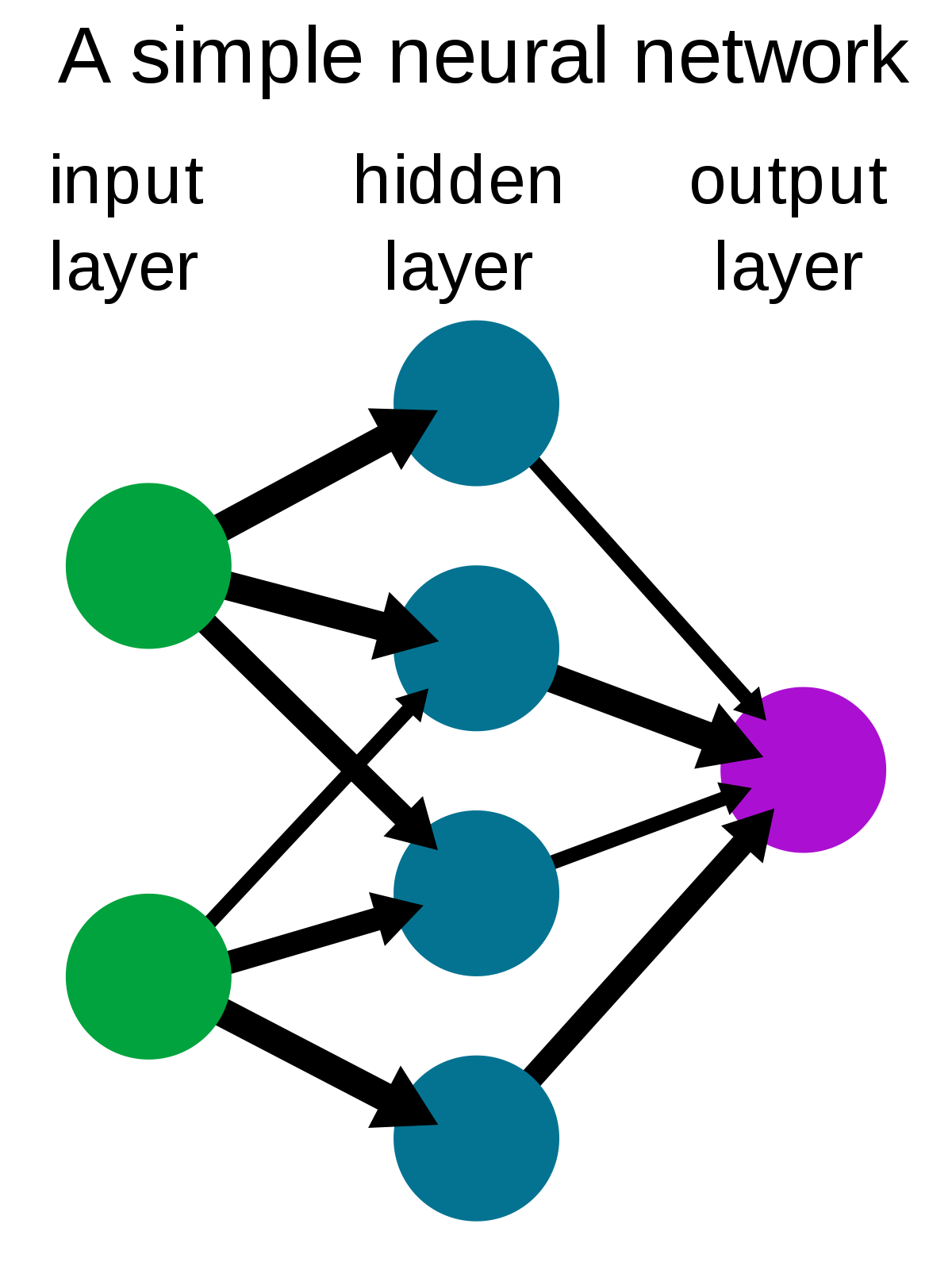 Neural networks work by having an input, a bunch of hidden things and an output. And it looks/sounds basic, but obviously the hard part is in the hidden things. And the hard part is in training the neural network to have the right hidden things.